

Measuring for an electric fireplace insert might seem simple at first, but it’s one of those tasks where precision makes all the difference. A snug, well-fitted insert not only looks polished, it also functions more efficiently and safely. I’ve seen installations where just a quarter-inch mistake meant the insert didn’t fit flush or had airflow issues. Getting this step right sets the foundation for everything that follows.

Gather Tools and Prepare the Area
Essential Measuring Tools
Before starting, grab a tape measure, a carpenter’s level, a straightedge, and a notepad. These are your best friends for recording accurate dimensions and checking for any irregularities. Having installed multiple units myself, I’ve found it’s helpful to keep a flashlight nearby too, some fireboxes are darker or deeper than expected.
Clearing the Existing Firebox or Wall Opening
Remove any ash, old trim, or decorative pieces that could interfere with your measurements. Make sure the space is clean and unobstructed so you’re measuring only the usable cavity. This also gives you a clear view of potential trouble spots like cracked masonry or uneven framing.
Measuring the Firebox or Wall Cavity
Width Measurement
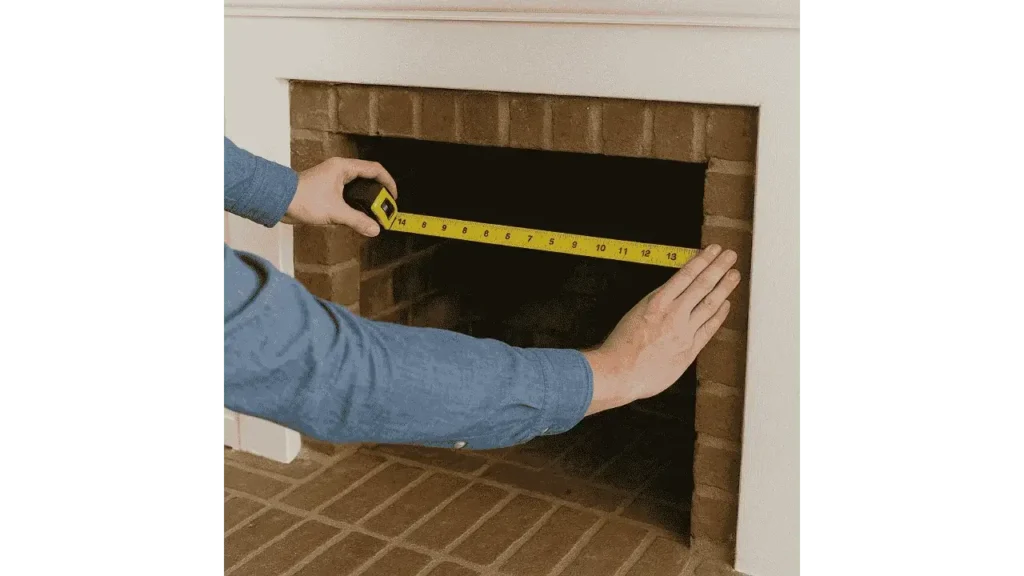
Measure the internal width of the opening at both the front and the back. Record the smaller number. I once assumed the front and back were the same, and learned the hard way that tapered fireboxes are more common than you’d think.
Height Measurement
Take height measurements on both sides of the opening. Again, write down the shorter one to ensure your insert won’t be too tall. Some builders install mantels or hearths slightly uneven, so don’t assume perfect symmetry.
Depth Measurement
Measure from the very back of the cavity to the front edge. Watch out for protrusions or odd angles; anything sticking out could affect installation.
Accounting for Clearance and Ventilation Requirements
Manufacturer’s Minimum Clearances
All electric inserts need airflow to function safely. Always check the unit’s manual for required clearances and buffer zones. Skipping this part could lead to overheating or a voided warranty.
Surround Materials and Heat Tolerance
Take note of what surrounds the opening, whether it’s brick, drywall, or wood. Materials with low heat tolerance may need heat shields or non-combustible trim.
“Ignoring heat rating of nearby materials is one of the most common mistakes DIYers make,” says Ella Torres, an electric fireplace installer with more than 12 years in the field.
Verifying Electrical Access
Outlet Location and Amperage
Confirm that a grounded electrical outlet is within reach of the insert’s power cord. Make sure the circuit can handle the unit’s wattage. Some inserts require a dedicated 15-amp or 20-amp line.
Concealing Cords for a Clean Look
Plan where the cord will run and whether it will be visible. If allowed in your area, consider in-wall cord management systems or routed channels behind trim.
Learn More: Can Electric Fireplaces Cause Fires?
Matching Measurements to Insert Specifications
Comparing Your Dimensions to Product Listings
When shopping for an insert, compare your recorded dimensions against the product’s cutout requirements. Choose an insert that’s slightly smaller than your narrowest measurement to avoid a tight fit that restricts ventilation.
Considering Trim Kits and Fascia Panels
Many inserts include trim kits that cover gaps for a seamless look. Adjustable panels can bridge the difference between your opening and the insert’s frame.
Recording and Double-Checking Dimensions
Creating a Measurement Sheet
Jot down all width, height, and depth numbers, as well as clearance requirements and outlet locations. Keep everything on one sheet; it’ll make shopping easier and speed up installation day.
Performing a Final Verification
Re-measure your most critical points. I always do this one more time, just before purchase, to avoid surprises. A second look often catches small discrepancies.
Common Measurement Mistakes to Avoid
Ignoring Uneven Surfaces or Tapered Walls
Fireboxes and wall openings are rarely perfect. Always account for slight angles or protrusions when finalizing your insert choice.
Overlooking Mantel and Hearth Projections
Don’t forget the stuff around the opening. Mantels, shelves, and raised hearths can block airflow or limit insert clearance if not considered in your plan.
Conclusion
Taking the time to measure carefully ensures your electric fireplace insert fits exactly where it should, enhancing both the safety and the style of your home. Double-checking dimensions, planning around ventilation, and considering surrounding materials are steps that may seem small but make a world of difference in the finished result.

- 27 Farmhouse Fireplace Ideas That Bring Warmth & Charm - August 18, 2025
- 25 Fireplace Lighting Ideas to Illuminate Your Hearth - August 7, 2025
- How to Replace an Electric Fireplace Switch? - August 5, 2025